
Game Design and Development
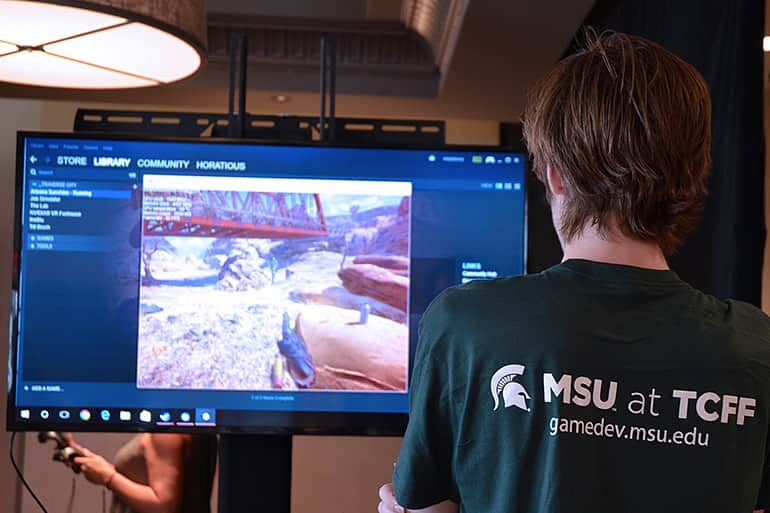
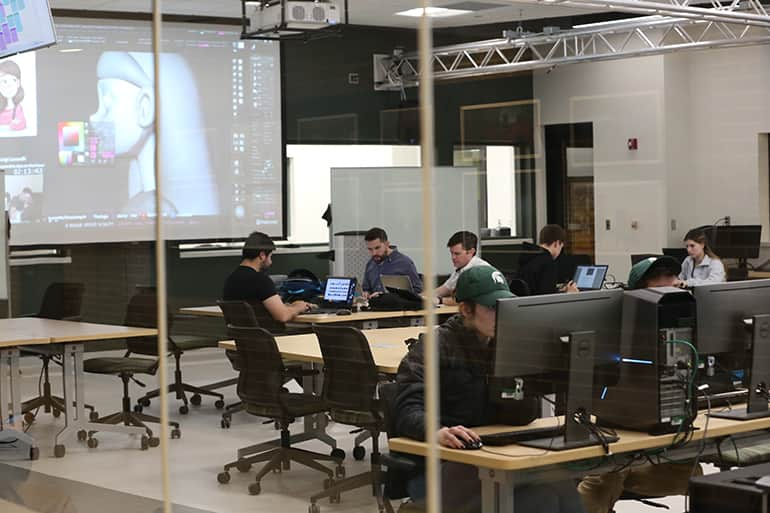
The Game Design and Development Program at Michigan State University was founded in 2005, and has grown by leaps and bounds into a Top 10 Ranked program by the Princeton Review. The program offers a mix of disciplines and backgrounds, with faculty and students comprised of designers, artists and programmers. The GEL Lab, or Games for Entertainment and Learning Lab, offers students state-of-the-art technology to design prototypes and techniques, and to advance research on the social and individual effects of digital games.
Featured Articles
MSU student team earns second place at Michigan Games Entrepreneurship Race with fantasy co-op game “Dimlits”
A team of students in the College of Communication Arts and Sciences recently earned second place at the 2026 Michigan Games Entrepreneurship Race with their original multiplayer fantasy game, “Dimlits.”
Read more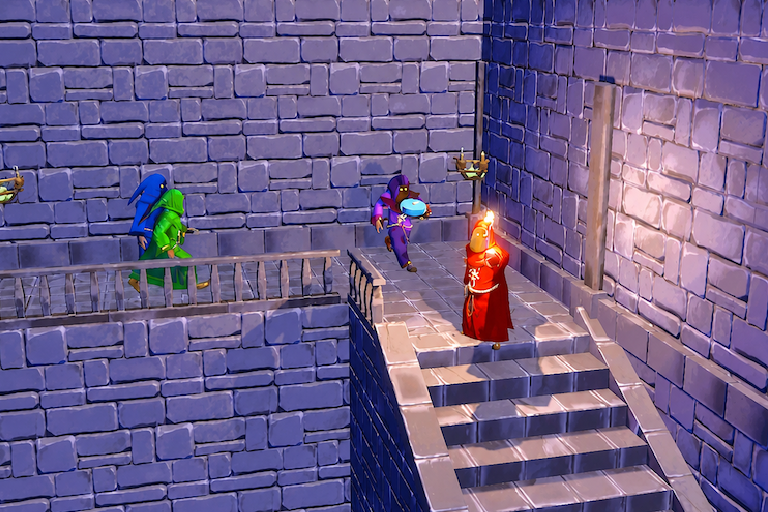
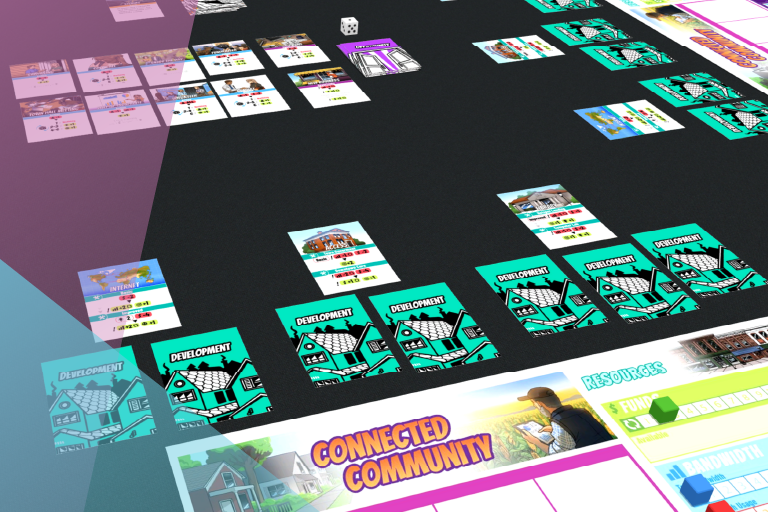
Media and Information professors develop board game to boost rural Michigan broadband planning
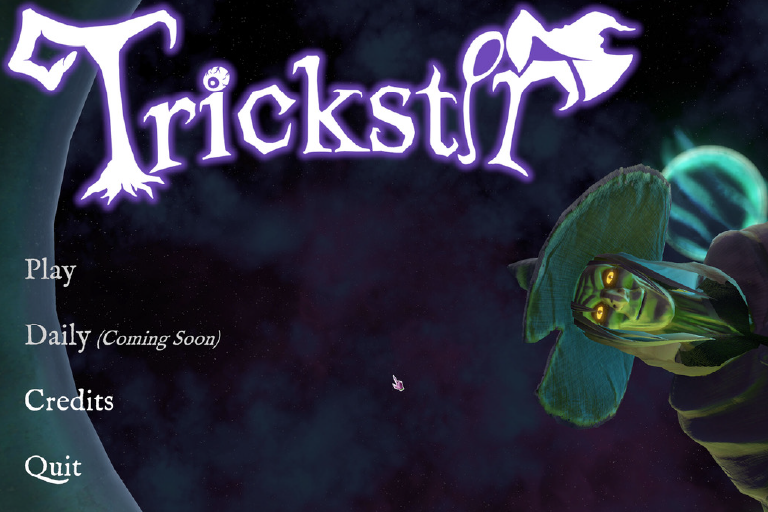
Students develop near-commercial puzzle game through game design course
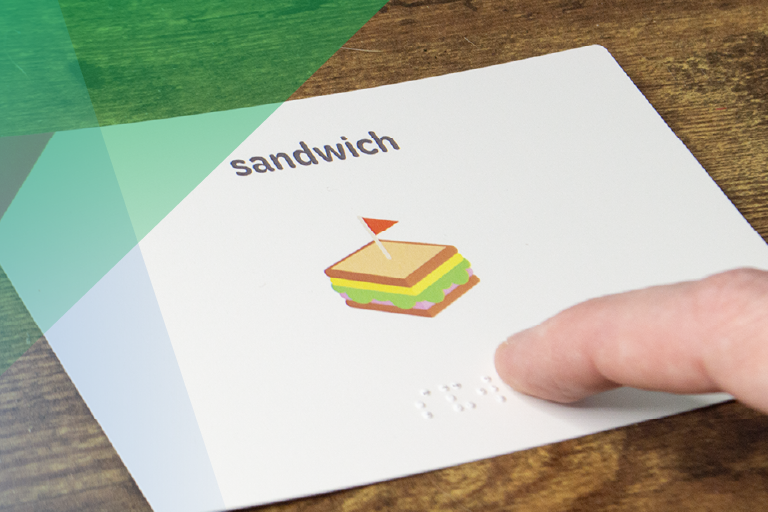
Media and Information graduate student wins silver medal for accessibility-themed game
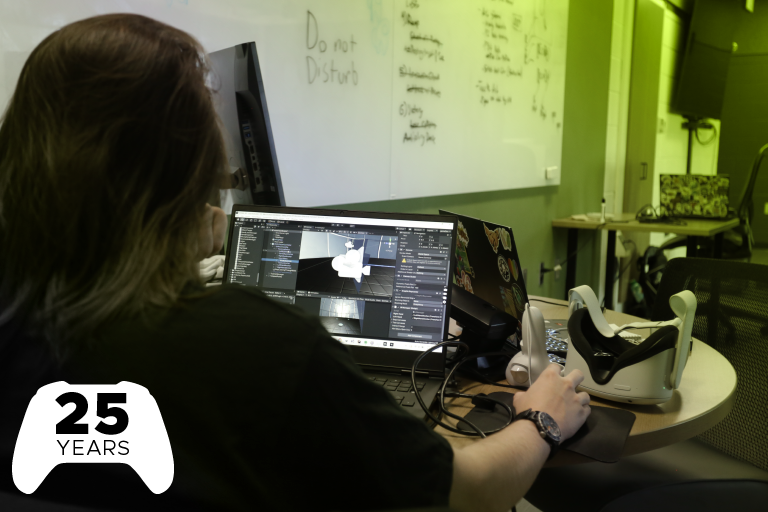
MSU celebrates 25 years of game development excellence

Featured Faculty and Staff
Faculty

Brian Winn
Professor, Director of the Games for Entertainment and Learning LabDepartment
Media & Information
Brian M. Winn is an Associate Professor in the Department of Media and Information and Director of the Games for Entertainment and Learning (GEL) Lab at Michigan State University. Winn designs, creates, and researches interactive media design, including game design, digital game-based learning and interactive health communication.
Brian M. Winn is an Associate Professor in the Department of Media and Information and Director of the Games for Entertainment and Learning (GEL) Lab at Michigan State University. Winn designs, creates, and researches interactive media design, including game design, digital game-based learning and interactive health communication.
Emeritus Faculty

Carrie Heeter
Professor EmeritusDepartment
Media & Information
I came to MSU as a freshman in 1974. My academic degrees include a Ph.D. in Mass Media (1986) and a BA in Communication (1982), both from Michigan State University.
I came to MSU as a freshman in 1974. My academic degrees include a Ph.D. in Mass Media (1986) and a BA in Communication (1982), both from Michigan State University.
Contact
Faculty

Andrew Dennis
Professor of PracticeDepartment
Media & Information
Andrew is an artist, designer and co-founder at Adventure Club Games, a contract and grant development studio in East Lansing Michigan.
Andrew is an artist, designer and co-founder at Adventure Club Games, a contract and grant development studio in East Lansing Michigan.
Contact
Faculty

Ricardo Guimaraes
Academic Specialist - Professor of PracticeDepartment
Media & Information
Ricardo Guimaraes is a concept artist and illustrator with extended work experience for the entertainment industry. He joins our faculty from Rio de Janeiro, Brazil.
Ricardo Guimaraes is a concept artist and illustrator with extended work experience for the entertainment industry. He joins our faculty from Rio de Janeiro, Brazil.
Contact
Faculty

Casey O'Donnell
Associate ProfessorDepartment
Media & Information
Casey O’Donnell is an Associate Professor in the Department of Media and Information at Michigan State University. His research examines the creative collaborative work of videogame design and development.
Casey O’Donnell is an Associate Professor in the Department of Media and Information at Michigan State University. His research examines the creative collaborative work of videogame design and development.
Contact
Faculty

Wei Peng
ProfessorDepartment
Media & Information
Wei Peng is a Professor and Associate Chair in the Department of Media and Information, Michigan State University. She is affiliated with the Games for Entertainment and Learning (GEL) lab and the Health and Risk Communication Center.
Wei Peng is a Professor and Associate Chair in the Department of Media and Information, Michigan State University. She is affiliated with the Games for Entertainment and Learning (GEL) lab and the Health and Risk Communication Center.
Contact
Faculty

Rabindra Ratan
Professor and AT&T Endowed ChairDepartment
Media & Information
Dr. Rabindra (Robby) Ratan runs MSU's Social and Psychological Approaches to Research on Technology-Interaction Effects (SPARTIE) Lab: www.spartie.org. His research examines research on how media technologies (e.g., avatars, agents/AI, VR, online games) influence meaningful outcomes (e.g., equity, well-being, motivation) across societal contexts (e.g., education, health, industry).
Dr. Rabindra (Robby) Ratan runs MSU's Social and Psychological Approaches to Research on Technology-Interaction Effects (SPARTIE) Lab: www.spartie.org. His research examines research on how media technologies (e.g., avatars, agents/AI, VR, online games) influence meaningful outcomes (e.g., equity, well-being, motivation) across societal contexts (e.g., education, health, industry).