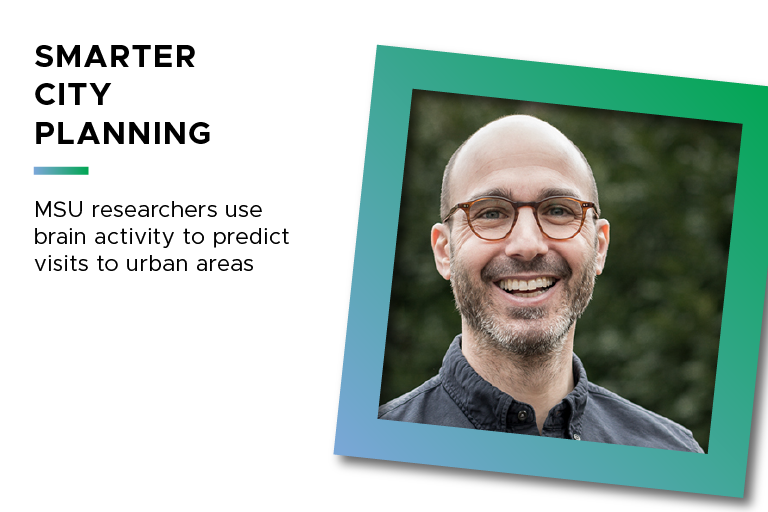
Dar Meshi
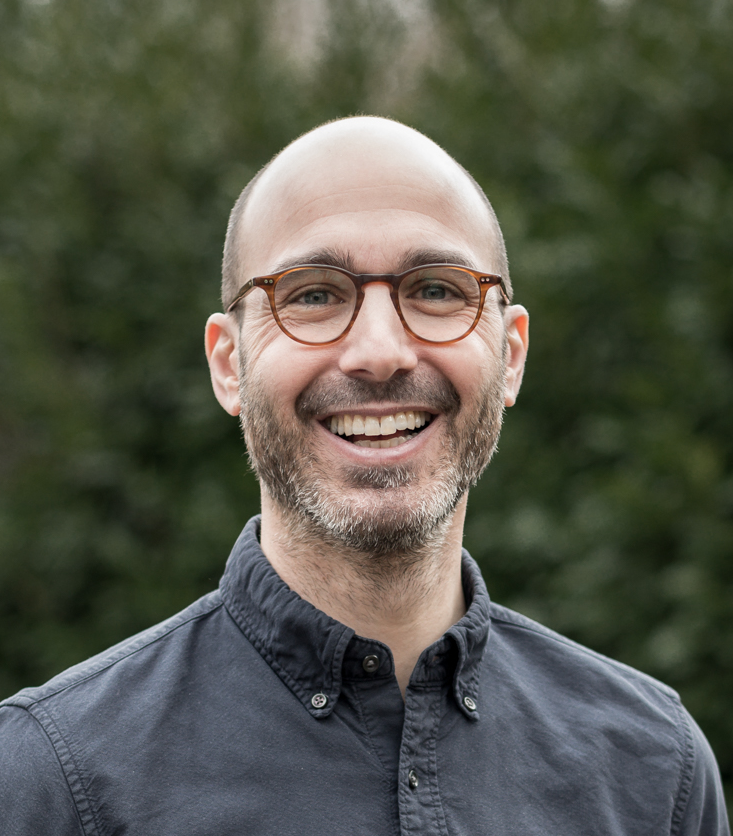
Bio
Dar Meshi investigates the psychology of technology use. His research program is organized into two lines of inquiry, one focusing on social media use, the other focusing on the use of the new internet created by blockchains (web3).
In the first line, Dar investigates both general social media use, and the maladaptive, problematic use of social media. Social media platforms are a relatively new phenomenon, but they tap into social cognitive processes that have been hardwired into our brains over years of evolution. For example, humans are drawn to positive, rewarding social information, such as “likes” on social media. These social rewards act as reinforcers, bringing people back to social media sites repeatedly and for significant durations of time. Importantly, some individuals use social media so much that they experience an impairment in daily functioning and psychological distress, similar to substance use and other behavioral addictive disorders. Dar's research program focuses on the brain and behavior of both adults and adolescents to better understand this problematic social media use.
In Dar's second line of research, he investigates the use of onchain internet applications made possible with blockchains (web3). Public blockchains are shared, append-only digital ledgers maintained by decentralized, geographically dispersed networks of computers. These blockchains can be considered public goods, and they provide two important, emergent services: 1. They allow individuals to own, trade, and transfer digital assets (cryptoassets) on the internet, and 2. They allow individuals, companies, and governments to create applications that run on these blockchain platforms. As cryptoassets and web3 become more integrated into the global economy, understanding their uses and effects on individuals is of critical importance.
To answer the above research questions, Dar conducts behavioral experiments and surveys both in the lab and online. He also conducts neuroimaging experiments with an MRI scanner. Ultimately, with the knowledge gained by this research, Dar hopes to contribute to a better understanding of how humans interact with technology.
Dar Meshi earned his B.S. in biology from the University of California at Los Angeles, and his Ph.D. from Columbia University in New York. After his Ph.D., Dar spent some time in New York working at advertising agencies like Ogilvy and Mather. Dar then returned to academia, working as a postdoctoral scientist at Brown University and Freie Universität Berlin.
Lab Recruitment:
Are you interested in joining Dar's research team? If so, please email darmeshi@msu.edu.
Research and Teaching
Research Topics:
Psychology of Technology Use; Social Media Use; Web3 and Blockchain Use; Behavioral Addictive Disorders; Decision-Making; Social & Cognitive Neuroscience.
Courses:
-Neuromarketing and Consumer Decisions (ADV 401)
-Consumer Behavior (ADV 375)
-Blockchains, Cryptoassets & Advertising (ADV 492)
-Account Planning and Research (ADV 342)
-Neurocognitive Communication (CAS 992)
-Psychology and Effects of Social Media Use (CAS 892)
Thematic Research Areas
Computational Communication
Media Psychology
Neurocognitive Communication
Research Centers and Labs
Health and Risk Communication Center
Related Work
Dar Meshi Discovers Neuroscience Underlying Social Media Use
Read more

Need to Vent? Turn to Real-Life Support, not Social Media
Read more

NCA 108th Annual Convention lineup for ComArtSci researchers
Read more

ComArtSci celebrates new faculty promotions
Read more