
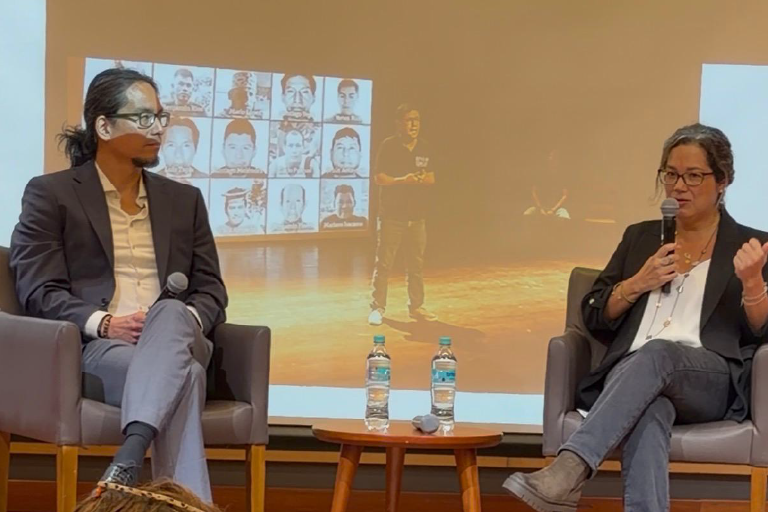
Researchers from across Latin America gathered in Colombia this spring for an international symposium on environmental communication and democracy that culminated in the launch of a new regional research network. The event was co-organized by Bruno Takahashi, Brandt Endowed Professor of Environmental Communication in the College of Communication Arts and Sciences and research director of the Knight Center for Environmental Journalism.
The II Symposium of the Latin American Network of Studies in Environmental Communication, held May 4-6 at Universidad de La Sabana in Colombia, explored the intersections of environmental communication, democracy and socio-environmental challenges facing the region.
Takahashi, who holds a joint appointment in the School of Journalism and AgBioResearch, organized the event alongside colleagues from universities across Latin America.
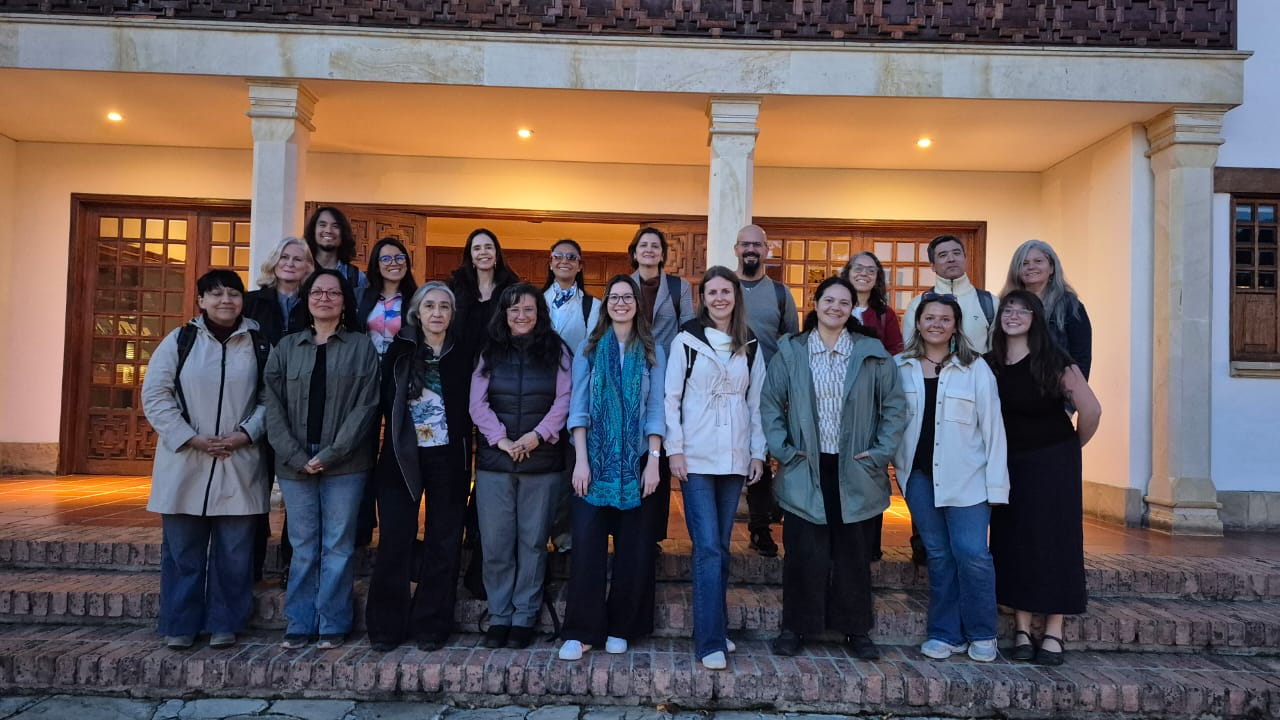
The symposium also marked the official launch of the Latin American Network of Studies in Environmental Communication, known as the Red Latinoamericana de Estudios en Comunicación Ambiental (Red LECA), a collaborative initiative designed to strengthen research partnerships and elevate environmental communication scholarship throughout the region.
"We are creating a space for researchers across Latin America to collaborate on issues that are critical to the future of the region and the planet," Takahashi said. "The network will help us develop new research, share knowledge and build a stronger foundation for environmental communication scholarship."
Supported by Michigan State University's Center for Latin American and Caribbean Studies and the Climate and Land Use Alliance, the symposium brought together scholars, graduate students and practitioners to examine how communication shapes public understanding of environmental issues and influences democratic decision-making.
Sessions explored topics including climate change, biodiversity loss, environmental justice, misinformation and the role of media in fostering accountability during socio-environmental crises. Participants also discussed how scientific, Indigenous and local knowledge systems can inform more equitable and effective approaches to environmental communication.
Three Michigan State graduate students participated in the symposium, contributing to conversations with researchers from institutions across the Americas.
The event built on momentum established during the inaugural symposium hosted at Michigan State in 2025. That gathering laid the groundwork for a growing international community of scholars interested in understanding how communication can address environmental challenges and strengthen democratic engagement.
Since the first symposium, collaborations among network members have expanded to include a research paper currently under review, a grant proposal in development and multiple book projects involving scholars from several countries.
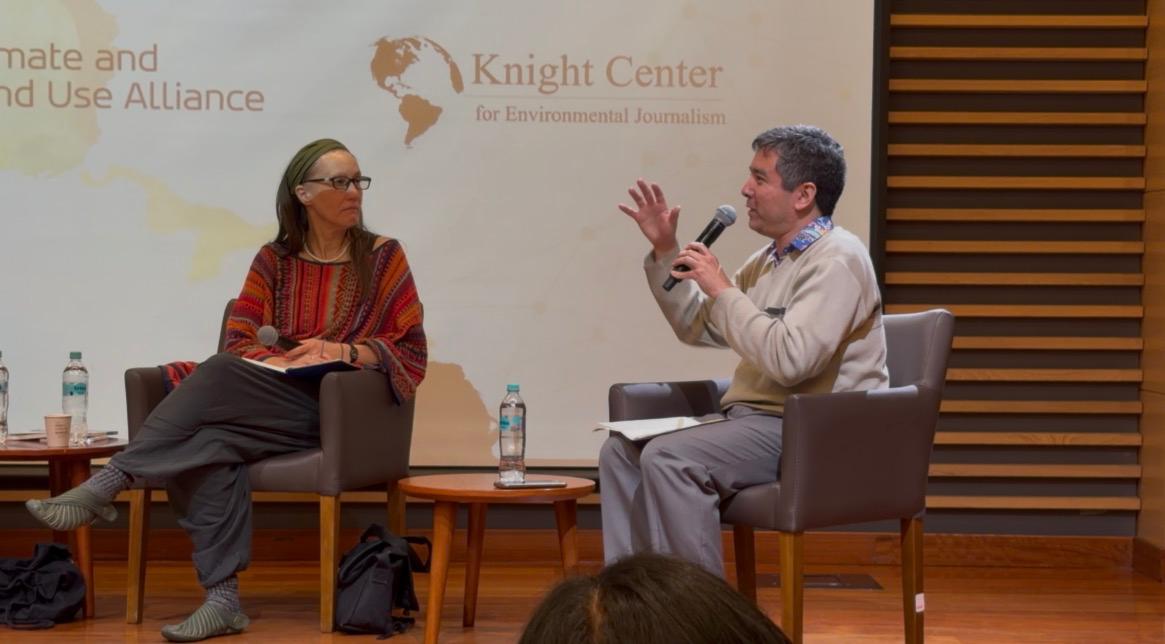
For Takahashi, the launch of Red LECA represents an important step toward strengthening environmental communication scholarship and fostering a more connected research community across Latin America.
"As environmental challenges become increasingly complex, collaboration across borders and disciplines becomes even more important," he said. "This network creates opportunities for researchers to learn from one another and contribute knowledge that can help address some of the most pressing issues facing our societies."
By Claire Dippel