
Michigan State University public relations students aren't waiting until graduation to begin shaping the communications industry.
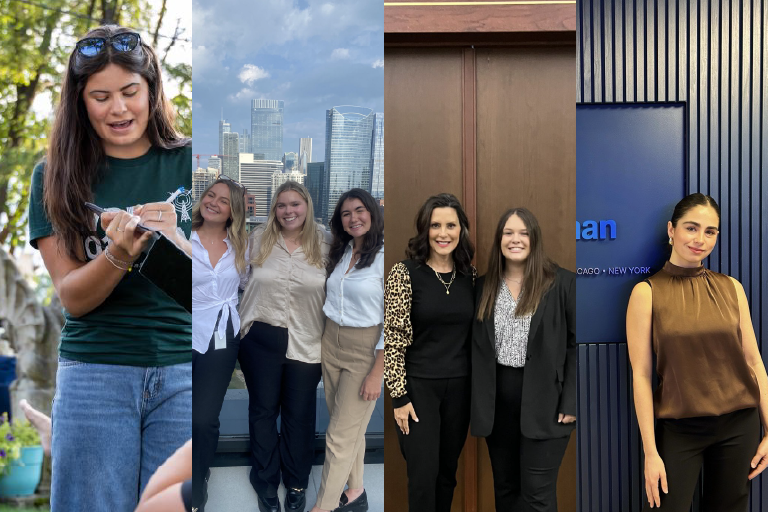
Over the past five years, students in the College of Communication Arts and Sciences have completed more than 100,000 hours of professional field experience, working with hundreds of organizations while gaining the hands-on skills needed to launch successful careers. From preparing Fortune 500 executives for national media interviews to contributing to a 60 Minutes segment and leading media training at the Rock and Roll Hall of Fame, students are taking on meaningful responsibilities long before earning their degrees.
The milestone marks the fifth anniversary of the Public Relations Field Experience Program, which requires every public relations major to complete at least 250 hours of approved experiential learning before graduation.
"This milestone reflects the extraordinary impact of MSU PR students — locally, statewide, nationally and globally," said Amanda Vasas, professor of practice in the Department of Advertising and Public Relations and director of the PR Field Experience Program. "It shows how they use the PR Field Experience Program to pursue passions and create meaningful change across diverse organizations."
"Our MSU PR students aren't making coffee — they're influencing headlines," Vasas said. "This summer alone, they prepped a Fortune 500 CFO for interviews with The Wall Street Journal and Fortune, contributed to a 60 Minutes segment for a major Michigan medical center and led media training for artists at the Rock and Roll Hall of Fame."
Since launching in 2021, the program has grown alongside the public relations major. What began serving 25 students now supports nearly 300 public relations majors each semester. During that time, students have completed 103,769 hours of field experience across 362 organizations, including public relations agencies, corporations, nonprofits, government agencies and Michigan State organizations. In the past year alone, students gained experience with 106 new organizations in the United States and abroad.
The program combines classroom instruction with professional experience, allowing students to apply concepts in real-world settings while building portfolios, expanding professional networks and exploring career paths. According to the Commission on Public Relations Education, internships are one of six core components of undergraduate public relations education.
"Field Experience bridges the theory and practice of PR," Vasas said. "Outside the classroom, students gain workplace readiness and apply learning in real scenarios. Inside the classroom, I see them become more conscientious, confident and skilled — deadlines met, perspectives sharpened and abilities strengthened."
Students frequently exceed the program's 250-hour graduation requirement, averaging approximately 400 hours before graduation. According to the program's five-year report, supervisor evaluations consistently rate MSU public relations students as "Highly Effective" in technical skills, professional skills and overall performance. Alumni surveys also found that 69% of respondents agreed or strongly agreed their field experience prepared them for their current job, while 62% reported being satisfied or very satisfied with the requirement.
For Vasas, those results demonstrate the lasting value of experiential learning.
"Paired with our curriculum, the 250-hour requirement is a powerful catalyst for success as the next generation of storytellers, strategists and changemakers," she said. "Most of our students surpass the requirement, giving them the opportunity to explore different workplaces, discover where they thrive and enter the job market with confidence."
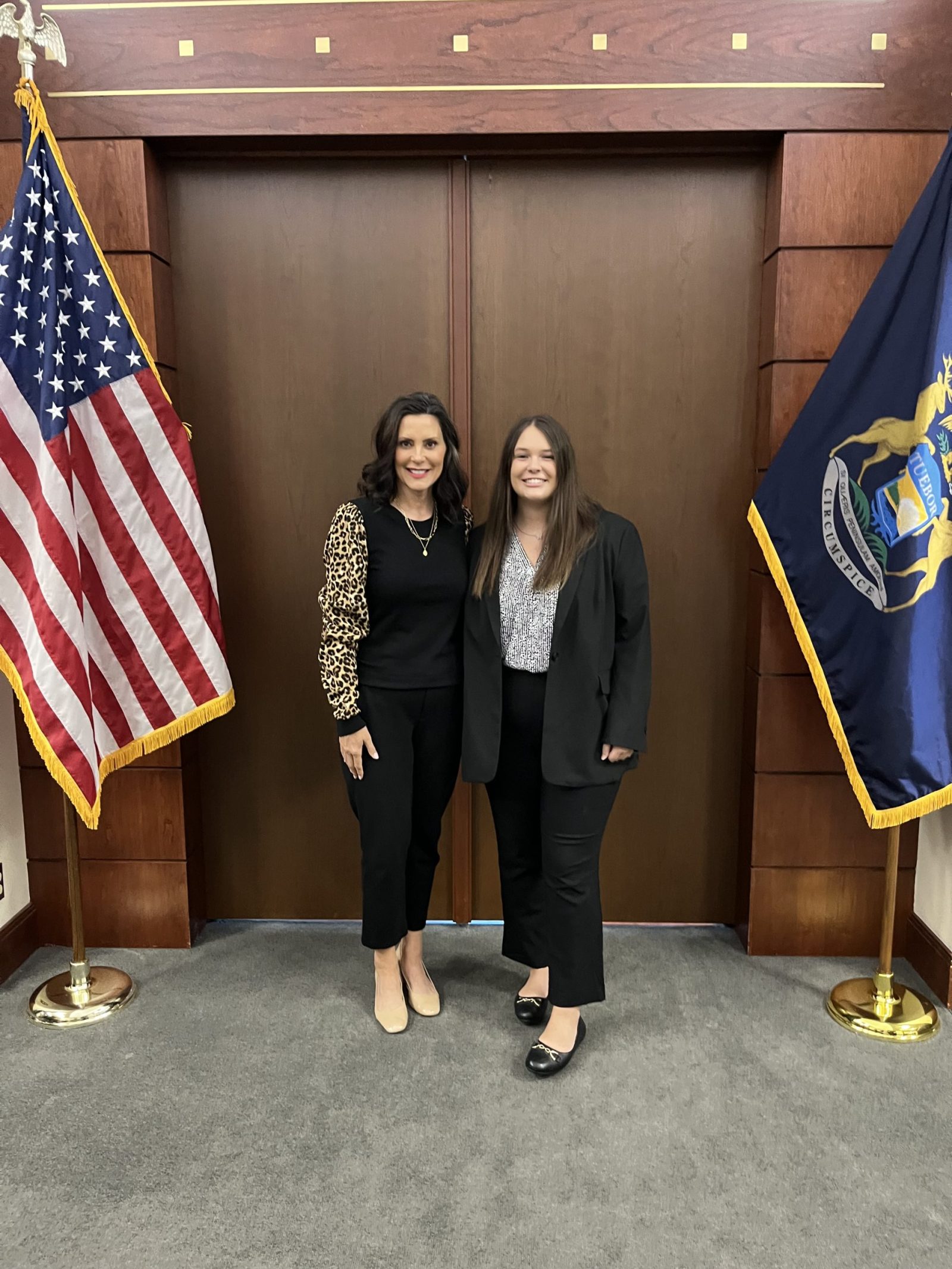
Today, students complete field experiences with organizations ranging from Weber Shandwick, FleishmanHillard Detroit and PepsiCo to Blue Cross Blue Shield of Michigan, the Michigan House of Representatives, the Rock and Roll Hall of Fame and numerous Michigan State units.
Five years after its launch, the program continues to expand opportunities for students while strengthening connections between the classroom and the communications profession.
By Claire Dippel